
Blog
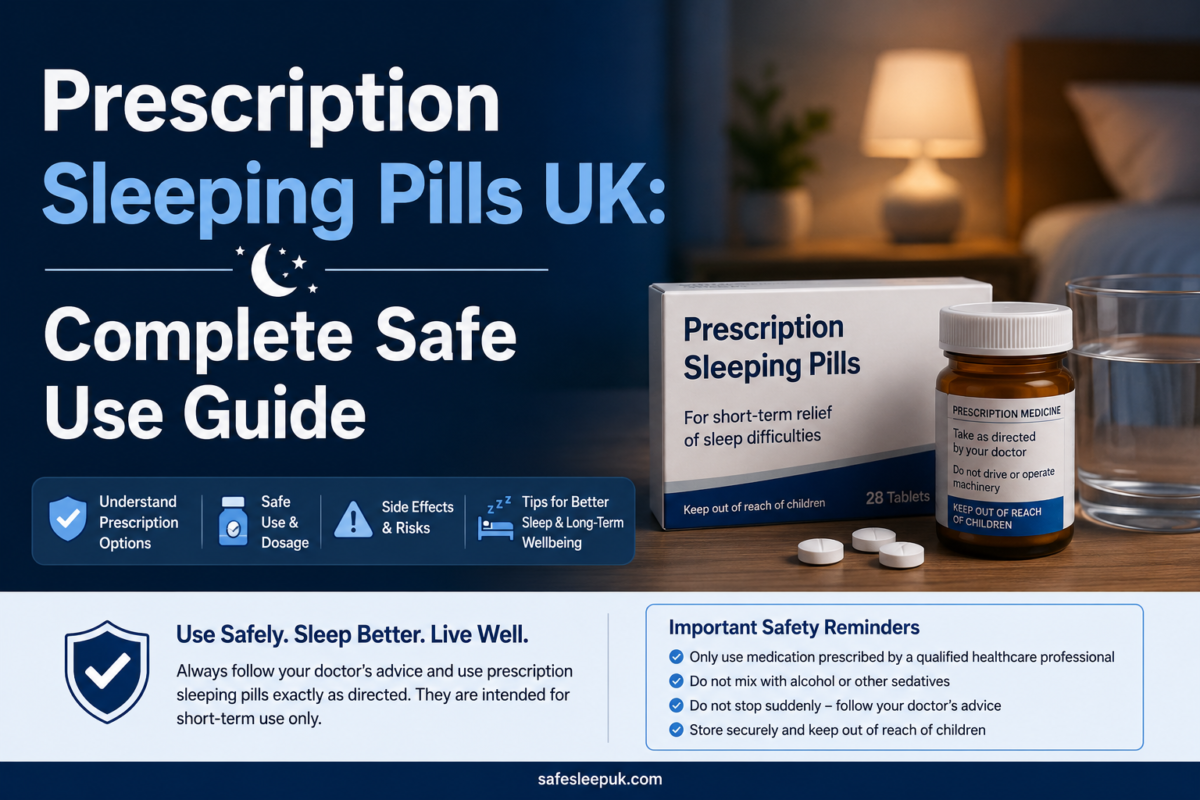
Prescription Sleeping Pills UK: Complete Safe Use Guide
May
Sleep problems affect millions of people across the UK every year. From stress and anxiety to changing work schedules and health conditions, poor sleep can quickly impact physical and mental wellbeing. Many people search for safe and effective solutions when natural sleep methods no longer work.
That is where Prescription Sleeping Pills UK searches have increased significantly. People want reliable information about how prescription sleep medication works, who should use it, and how to stay safe while improving sleep quality.
This guide explains everything beginners and professionals should know about prescription sleep medicines in the UK. You will learn how they work, common types, potential side effects, safety tips, and when medical advice is important.
Whether you are exploring treatment options for short-term insomnia or researching sleep health solutions, this article provides balanced and informative guidance designed around current SEO, user experience, and voice-search best practices.
What Are Prescription Sleeping Pills?
Prescription sleeping pills are medications prescribed by qualified healthcare professionals to help people fall asleep faster, stay asleep longer, or improve overall sleep quality.
These medicines are usually recommended when sleep difficulties become frequent, severe, or disruptive to daily life. Unlike over-the-counter remedies, prescription medications are stronger and designed for controlled medical use.
Common sleep-related problems include:
- Difficulty falling asleep
- Frequent waking during the night
- Short sleep duration
- Stress-related insomnia
- Anxiety affecting sleep patterns
- Poor sleep caused by shift work
Healthcare professionals may prescribe medication alongside lifestyle changes and behavioural sleep therapy.
Why Do People Use Prescription Sleeping Pills in the UK?
Many people across the UK struggle with sleep due to modern lifestyle habits, work pressure, mental stress, and health conditions. Sleep deprivation can affect concentration, productivity, mood, and overall health.
The most common reasons people seek prescription sleep medication include:
Short-Term Insomnia
Temporary sleep difficulties caused by stress, travel, exams, or emotional challenges may require short-term support.
Chronic Sleep Problems
Long-term insomnia can interfere with physical and mental wellbeing. Some patients may require supervised treatment plans.
Anxiety and Stress
Anxiety disorders often contribute to racing thoughts and disrupted sleep cycles.
Irregular Work Schedules
Shift workers and professionals with changing schedules may experience disrupted sleep patterns.
How Do Prescription Sleeping Pills Work?
Most prescription sleep medications work by calming brain activity and supporting relaxation. Some medicines help users fall asleep faster, while others help maintain sleep throughout the night.
Depending on the medication type, they may affect neurotransmitters that regulate sleep and relaxation.
Different sleep medications may:
- Reduce anxiety before sleep
- Promote drowsiness
- Improve sleep duration
- Support deeper sleep cycles
- Reduce nighttime waking
The best treatment depends on individual symptoms, medical history, and professional advice.
What Types of Prescription Sleeping Pills Are Common in the UK?
Several categories of sleep medication are commonly discussed in the UK healthcare sector.
Z-Drugs
Z-drugs are commonly prescribed for short-term insomnia treatment. These medications are designed to help users fall asleep quickly and improve sleep continuity.
Examples include medications often prescribed for temporary insomnia management.
Benzodiazepines
Benzodiazepines may help with anxiety-related sleep problems. They are generally used under careful medical supervision because prolonged use may lead to dependence.
Melatonin-Based Treatments
Melatonin treatments support the body’s natural sleep-wake cycle and may be used for older adults or disrupted sleep schedules.
Sedating Antidepressants
Some antidepressants are prescribed when insomnia is linked with anxiety or depression.
Who Should Consider Prescription Sleep Medication?
Prescription medication is not always the first solution for poor sleep. However, medical professionals may consider it when sleep problems become persistent or severe.
People who may benefit include:
- Adults with diagnosed insomnia
- Individuals experiencing severe stress-related sleep loss
- Patients with anxiety affecting sleep
- Shift workers with disrupted sleep cycles
- People whose daily functioning is affected by poor sleep
Healthcare providers usually assess:
- Medical history
- Current medications
- Mental health conditions
- Sleep habits
- Lifestyle factors
What Are the Risks of Prescription Sleeping Pills?
While prescription sleep medication can be effective, it is important to understand the potential risks and side effects.
Daytime Drowsiness
Some users may feel sleepy or less alert the next day.
Dependence Risk
Long-term use of certain medications may lead to physical or psychological dependence.
Memory and Concentration Problems
Some medications may temporarily affect memory or focus.
Drug Interactions
Prescription sleeping pills may interact with alcohol or other medications.
Tolerance Development
Over time, some people may require higher doses for the same effect, which increases safety concerns.
That is why professional medical guidance remains essential.
How Can You Use Sleeping Pills Safely?
Safe medication use is extremely important for sleep health and overall wellbeing.
Follow Medical Instructions Carefully
Never exceed the prescribed dosage or frequency.
Avoid Alcohol
Combining alcohol with sleep medication may increase dangerous side effects.
Use for Short-Term Support
Many prescription sleep medicines are intended for temporary use only.
Maintain Healthy Sleep Habits
Medication works best alongside healthy routines.
Helpful sleep habits include:
- Keeping a regular sleep schedule
- Reducing screen time before bed
- Avoiding caffeine late in the day
- Creating a calm sleep environment
- Managing stress levels
What Is the Best Way to Improve Sleep Naturally?
Many people ask whether lifestyle changes can improve sleep without relying entirely on medication.
In many cases, yes. Sleep experts often recommend combining medical treatment with behavioural changes.
Improve Sleep Hygiene
Good sleep hygiene means creating habits that support healthy rest.
Manage Stress and Anxiety
Meditation, breathing exercises, and relaxation techniques may help calm the mind before bedtime.
Exercise Regularly
Physical activity can support deeper and more consistent sleep.
Reduce Evening Screen Exposure
Blue light from phones and computers may disrupt natural melatonin production.
Can Prescription Sleeping Pills Help Anxiety-Related Insomnia?
Yes, some prescription sleep medications may help people whose insomnia is linked with stress or anxiety.
However, doctors usually aim to treat the underlying cause as well. Anxiety management strategies, therapy, and lifestyle adjustments often play an important role alongside medication.
People searching for trusted sleep health information often explore educational resources from platforms such as Safesleepuk, especially when learning about safe sleep support and medication awareness.
How Long Should You Take Prescription Sleeping Pills?
The duration depends on the type of medication and the severity of symptoms.
Many sleep medicines are recommended only for short-term use, often lasting a few days or weeks. Long-term use should always involve professional supervision.
Doctors may gradually reduce medication use while helping patients build healthier sleep habits.
What Are Signs You Should Speak to a Healthcare Professional?
You should seek medical advice if:
- Insomnia lasts more than a few weeks
- Sleep problems affect work or daily life
- You experience severe anxiety or depression
- You feel constantly fatigued
- Sleep medication stops working effectively
- You experience unusual side effects
Professional guidance helps identify the safest and most appropriate treatment approach.
How Is Sleep Health Connected to Overall Wellbeing?
Quality sleep supports nearly every area of health. Poor sleep may affect:
- Memory and concentration
- Immune system function
- Mood stability
- Heart health
- Energy levels
- Productivity
Long-term sleep deprivation may contribute to broader physical and mental health challenges.
That is why responsible sleep management and evidence-based information are so important.
Why Is Reliable Information Important When Researching Sleep Medication?
Online searches for sleep medication continue to grow, but not all information is accurate or safe.
Users should focus on trustworthy educational resources, professional guidance, and medically informed content. High-quality platforms like Safesleepuk aim to provide balanced information that helps users understand sleep support options responsibly.
Understanding the risks, benefits, and proper usage of prescription sleep medicines helps people make informed decisions.
Frequently Asked Questions
What are prescription sleeping pills used for?
Prescription sleeping pills are used to help manage insomnia and serious sleep difficulties. They may help users fall asleep faster, stay asleep longer, or improve sleep quality when recommended by a healthcare professional.
Are prescription sleeping pills safe in the UK?
Prescription sleep medications can be safe when used exactly as directed by a qualified healthcare provider. Proper dosage, short-term use, and medical supervision are important for reducing risks and side effects.
Can I use sleeping pills every night?
Most prescription sleep medicines are designed for temporary or short-term use. Long-term daily use may increase the risk of dependence, tolerance, or side effects. Always follow professional medical advice.
What is the best way to improve sleep naturally?
The best natural methods include maintaining a regular sleep schedule, limiting caffeine, reducing screen exposure before bed, managing stress, and creating a comfortable sleep environment.
Do prescription sleeping pills help with anxiety?
Some medications may help people whose sleep problems are connected to anxiety. However, healthcare providers often recommend combining medication with stress management or therapy approaches.
Can prescription sleep medication cause side effects?
Yes. Possible side effects may include drowsiness, dizziness, reduced concentration, memory problems, or dependence risk. Side effects vary depending on the medication and individual health factors.
How quickly do sleeping pills work?
Many prescription sleep medications begin working within 15 to 60 minutes. The exact timing depends on the type of medicine, dosage, and individual response.
When should I speak to a doctor about insomnia?
You should seek professional advice if sleep problems continue for several weeks, affect daily activities, or are linked with anxiety, stress, or ongoing fatigue.
Conclusion
Sleep is essential for physical health, mental wellbeing, focus, and daily performance. While occasional sleep difficulties are common, persistent insomnia may require professional support and structured treatment.
Understanding how prescription sleeping pills UK treatments work allows users to make informed and safer decisions. Responsible use, healthy sleep habits, and medical guidance all play an important role in improving long-term sleep quality.
Educational resources and trusted information providers such as Safesleepuk help users better understand safe sleep support, medication awareness, and practical sleep health strategies.
When used correctly and responsibly, prescription sleep medication can support better rest while contributing to healthier daily living and overall wellbeing.
