
Blog
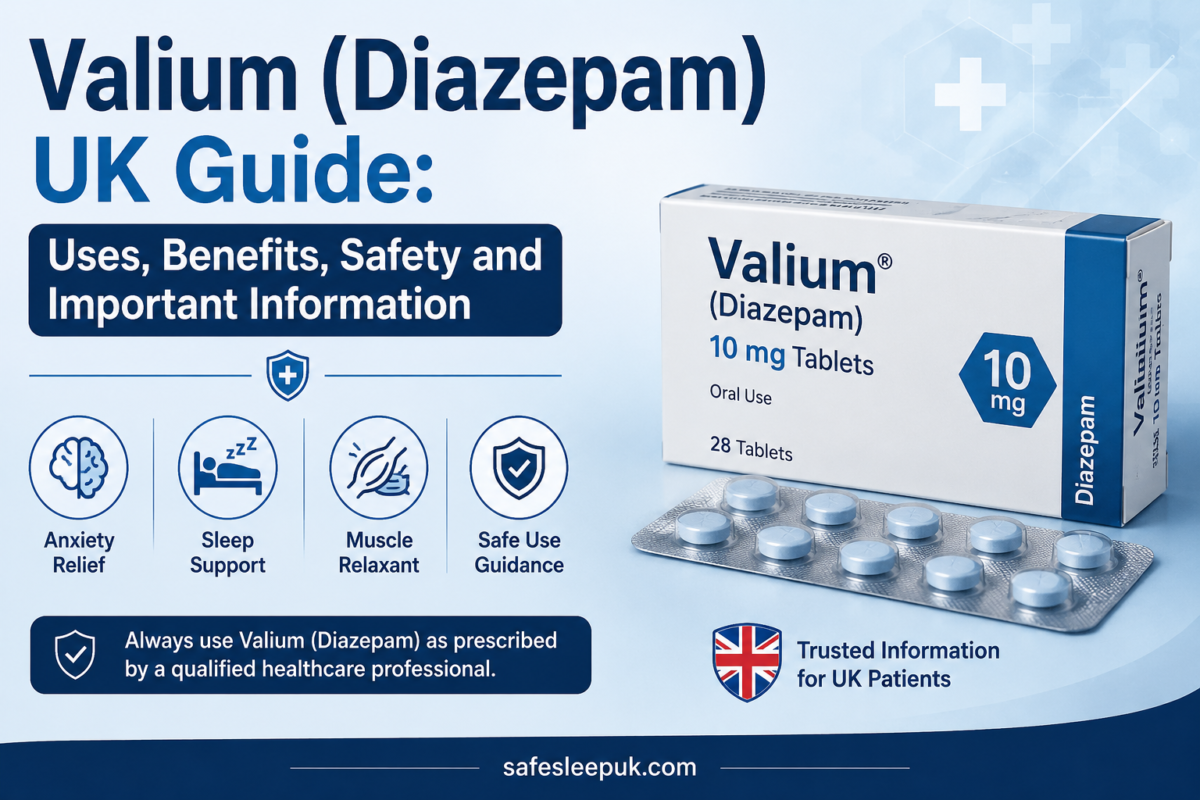
Valium (Diazepam) UK Guide: Uses, Benefits, Safety and Important Information
Jul
Introduction
Valium, also known by its generic name diazepam, is a prescription medicine that belongs to a group of medicines called benzodiazepines. In the UK, healthcare professionals may prescribe it for certain medical conditions, including severe anxiety, muscle spasms, alcohol withdrawal symptoms, and, in some cases, short-term sleep difficulties. Because Valium affects the central nervous system, it should only be used under the guidance of a qualified healthcare professional. This guide explains how Valium works, its approved uses, possible benefits, potential risks, and the importance of responsible use. SafesleepUK aims to provide reliable educational information to help readers make informed healthcare decisions.
What Is Valium?
Valium is the brand name for diazepam, a medicine that produces a calming effect on the brain and nervous system. It increases the activity of gamma-aminobutyric acid (GABA), a natural chemical that helps reduce excessive nerve activity.
Due to these effects, Valium may help relieve anxiety, reduce muscle tension, control certain types of seizures, and assist with symptoms of alcohol withdrawal when prescribed appropriately.
As a prescription-only medicine in the UK, Valium should never be taken without medical advice.
How Does Valium Work?
The brain constantly sends signals through nerve cells. During periods of stress or anxiety, these signals can become overactive.
Diazepam enhances the effects of GABA, slowing excessive brain activity and producing a calming effect. This may help reduce feelings of anxiety, relax muscles, and make it easier for some patients to rest.
The medicine usually begins working within a relatively short period after administration, although the exact timing varies between individuals.
Medical Uses of Valium in the UK
Healthcare professionals may prescribe Valium for several recognised medical conditions.
Anxiety Disorders
One of the most common uses of diazepam is the short-term treatment of severe anxiety that significantly affects daily life.
It is generally prescribed alongside other approaches, such as psychological therapies or lifestyle changes, rather than as a long-term solution.
Muscle Spasms
Valium may help relax muscles in people experiencing painful muscle spasms caused by injury or certain neurological conditions.
Treatment duration is usually limited to reduce the risk of dependence.
Alcohol Withdrawal
Doctors sometimes prescribe diazepam during medically supervised alcohol withdrawal to help reduce withdrawal symptoms safely.
This treatment should always occur under professional medical supervision.
Certain Seizure Conditions
In some clinical situations, diazepam may be used to help control prolonged seizures or emergency seizure episodes.
The method of administration depends on the patient’s condition and medical circumstances.
Short-Term Sleep Problems
In selected cases, healthcare professionals may prescribe diazepam for short-term insomnia when sleep difficulties are severe and significantly affect daily functioning.
Because of the potential for tolerance and dependence, it is generally not recommended as a long-term treatment for insomnia.
Who May Be Prescribed Valium?
A healthcare professional considers many factors before prescribing diazepam.
These may include:
- The patient’s symptoms
- Medical history
- Current medications
- Age
- Liver or kidney function
- Pregnancy or breastfeeding status
- Previous reactions to similar medicines
This assessment helps determine whether Valium is an appropriate treatment option.
Benefits of Valium
When prescribed appropriately, Valium may provide several benefits.
These include:
- Reducing severe anxiety symptoms
- Relieving muscle tension
- Supporting treatment during alcohol withdrawal
- Helping control certain seizure conditions
- Providing short-term calming effects before some medical procedures
The medicine is generally intended for short-term use because prolonged use increases the likelihood of unwanted effects.
Why Responsible Use Matters
Although Valium can be highly effective for appropriate medical conditions, it is not suitable for everyone.
Using the medicine without medical supervision may increase the risk of:
- Dependence
- Tolerance
- Excessive drowsiness
- Impaired concentration
- Accidents caused by reduced alertness
Patients should always follow the dosage instructions provided by their healthcare professional and should never increase the dose independently.
Side Effects of Valium
Like all prescription medicines, Valium (diazepam) can cause side effects, although not everyone experiences them. The likelihood and severity of side effects may depend on factors such as the prescribed dose, treatment duration, age, and overall health.
Common side effects may include:
- Drowsiness or sleepiness
- Feeling tired or fatigued
- Dizziness
- Reduced concentration
- Muscle weakness
- Dry mouth
- Slower reaction times
Because Valium can affect alertness, patients should follow their healthcare professional’s advice regarding activities that require full concentration.
Who Should Not Take Valium?
Valium is not suitable for every patient. Before prescribing diazepam, healthcare professionals carefully assess whether it is an appropriate option.
Extra caution may be needed for individuals who have:
- Severe breathing disorders
- Serious liver disease
- Certain muscle disorders
- A history of substance dependence
- Allergies to diazepam or similar medicines
People who are pregnant, planning a pregnancy, or breastfeeding should discuss treatment options with their healthcare professional before using Valium.
Drug Interactions
Valium may interact with other medicines and substances, potentially increasing side effects or reducing treatment effectiveness.
Examples include:
- Other medicines that cause drowsiness
- Certain antidepressants
- Opioid pain medicines
- Some allergy medications
- Alcohol
Patients should always tell their healthcare professional about every medicine, vitamin, or herbal supplement they are taking before starting diazepam.
Can Valium Be Used for Long Periods?
Valium is generally intended for short-term treatment.
Using diazepam continuously for extended periods may increase the risk of:
- Dependence
- Reduced effectiveness over time (tolerance)
- Withdrawal symptoms after stopping
- Difficulty sleeping without medication
If treatment needs to end, healthcare professionals often recommend reducing the dose gradually rather than stopping suddenly.
Tips for Safe Use
Responsible use helps improve treatment outcomes while reducing potential risks.
Helpful recommendations include:
- Take the medicine exactly as prescribed.
- Never take more than the recommended dose.
- Do not share prescription medicines with anyone else.
- Avoid alcohol unless advised otherwise by a healthcare professional.
- Store medication securely and out of children’s reach.
- Attend follow-up appointments if ongoing treatment is required.
Following these precautions supports safer use of prescription medication.
Lifestyle Habits That May Support Better Sleep
For people experiencing sleep difficulties, medication alone is rarely the complete answer. Healthy daily habits often improve sleep quality and overall wellbeing.
Helpful lifestyle practices include:
Maintain a Consistent Sleep Schedule
Going to bed and waking up at the same time each day supports the body’s natural sleep-wake cycle.
Create a Relaxing Evening Routine
Reading, gentle stretching, or practising relaxation exercises before bedtime may help prepare the mind for sleep.
Reduce Evening Screen Time
Limiting exposure to bright screens before bed may encourage the body’s natural production of sleep-promoting hormones.
Limit Caffeine Late in the Day
Avoiding caffeinated drinks during the evening may help reduce difficulty falling asleep.
These habits may complement professional treatment plans for individuals experiencing temporary sleep problems.
Frequently Asked Questions
Is Valium available without a prescription in the UK?
No. Valium (diazepam) is a prescription-only medicine in the UK and should only be used when prescribed by a qualified healthcare professional.
How long does Valium usually take to work?
The onset of action varies depending on the individual and the form of medication prescribed. A healthcare professional can provide guidance based on a patient’s specific treatment plan.
Can Valium be taken every day?
Some patients may be prescribed daily treatment for a limited period. However, long-term daily use is generally avoided because of the potential for dependence and reduced effectiveness.
Can Valium help with insomnia?
Healthcare professionals may occasionally prescribe diazepam for severe short-term sleep problems, but it is generally not considered a long-term treatment for insomnia.
What happens if a dose is missed?
Patients should follow the advice provided by their prescriber or pharmacist. They should never take extra doses to make up for a missed dose unless specifically instructed by a healthcare professional.
Why is medical supervision important?
Medical supervision helps ensure that Valium is prescribed appropriately, monitored for effectiveness, and adjusted when necessary while reducing the risk of side effects and dependence.
Conclusion
Valium (diazepam) is a well-established prescription medicine used in the UK to treat specific medical conditions such as severe anxiety, muscle spasms, alcohol withdrawal symptoms, and certain seizure disorders. While it can be highly effective when prescribed appropriately, it should only be used under the guidance of a qualified healthcare professional because of its potential risks and the possibility of dependence with prolonged use.
Understanding how Valium works, its approved medical uses, possible side effects, and the importance of responsible use allows patients to make informed decisions about their treatment. Alongside medication, healthy lifestyle habits, good sleep hygiene, and regular medical follow-up can contribute to better long-term wellbeing.
At SafesleepUK, the goal is to provide clear, evidence-based educational information that helps readers understand prescription sleep and anxiety medications while encouraging safe, informed, and responsible healthcare decisions.
