
Blog
Insomnia Causes and Treatment UK: A Complete Expert Guide
Jun
Introduction
Insomnia is one of the most common sleep-related conditions affecting people in the UK and worldwide. It refers to difficulty falling asleep, staying asleep, or waking up too early and not being able to return to sleep. Over time, it can affect mood, energy levels, productivity, and overall health.
Understanding insomnia causes and treatment UK is essential for anyone struggling with long-term sleep issues. While occasional sleepless nights are normal, chronic insomnia may require lifestyle adjustments, behavioural therapy, or medical evaluation depending on severity.
This guide explains the key causes, symptoms, and treatment options in a clear and practical way so you can better understand how to manage sleep problems effectively.
What Is Insomnia and How Does It Affect the Body?
Insomnia is a sleep disorder that disrupts the natural sleep cycle. When sleep becomes irregular, the body struggles to restore energy and regulate essential functions such as hormone balance, immune response, and brain activity.
People with insomnia often experience:
- Difficulty falling asleep at night
- Frequent waking during the night
- Waking up too early in the morning
- Feeling tired even after a full night in bed
Long-term insomnia may increase the risk of anxiety, depression, and reduced concentration during the day.
What Are the Main Causes of Insomnia in the UK?
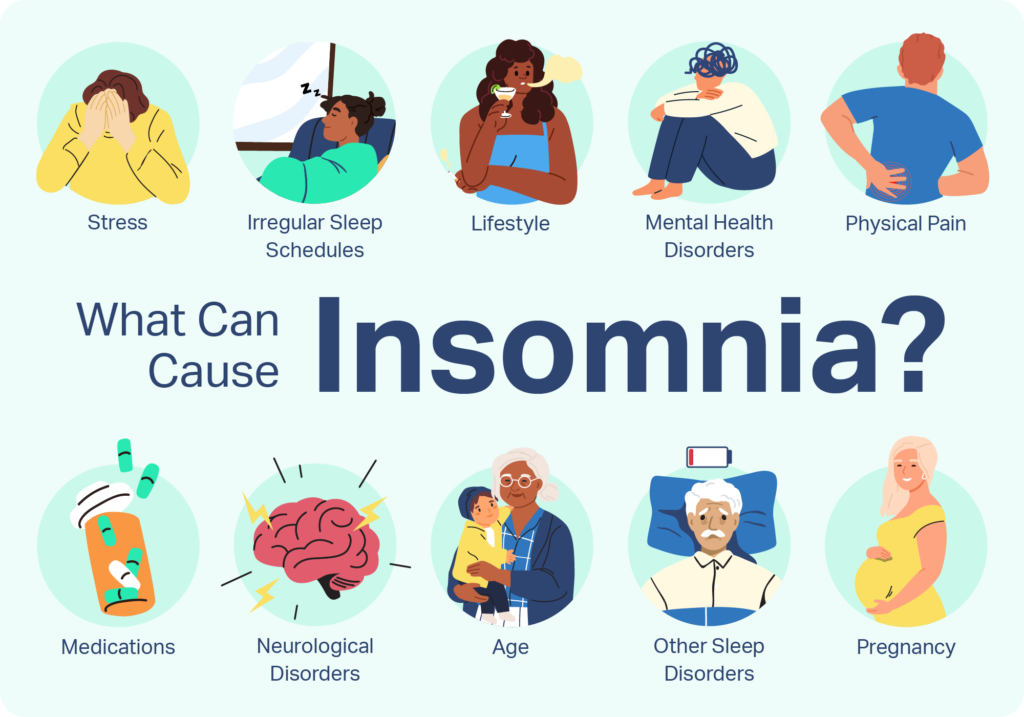
Understanding the causes of insomnia is the first step toward effective management. In the UK, lifestyle patterns, stress levels, and health conditions are major contributors.
1. Stress and Mental Health Conditions
Stress is one of the leading causes of insomnia. Work pressure, financial concerns, or emotional challenges can activate the brain, making it difficult to relax at night. Conditions such as anxiety and depression are also strongly linked with sleep disturbances.
2. Poor Sleep Habits
Irregular sleep schedules, excessive screen time before bed, and consuming caffeine late in the day can interfere with the body’s natural sleep rhythm.
3. Medical Conditions
Chronic pain, asthma, acid reflux, and hormonal changes can all affect sleep quality. Certain medications may also contribute to sleep disruption.
4. Environmental Factors
Noise, light pollution, and uncomfortable sleeping environments are common issues, especially in urban areas of the UK.
5. Lifestyle Factors
Alcohol consumption, smoking, and lack of physical activity can negatively impact sleep patterns over time.
What Are the Symptoms of Insomnia?
The insomnia symptoms can vary from person to person, but the most common signs include:
- Difficulty falling asleep at night
- Frequent nighttime awakenings
- Daytime fatigue and sleepiness
- Low energy and motivation
- Irritability or mood changes
- Poor concentration and memory issues
If these symptoms persist for more than a few weeks, it may indicate chronic insomnia that requires attention.
What Are the Best Treatment Options for Insomnia in the UK?
The best treatment for insomnia UK depends on the underlying cause and severity. In many cases, a combination of behavioural therapy and lifestyle changes is recommended before medication is considered.
1. Cognitive Behavioural Therapy for Insomnia (CBT-I)
CBT-I is considered one of the most effective long-term treatments. It helps individuals identify and change negative thought patterns and behaviours affecting sleep.
2. Sleep Hygiene Improvements
Improving sleep hygiene can significantly enhance sleep quality. This includes:
- Maintaining a consistent sleep schedule
- Avoiding screens before bedtime
- Keeping the bedroom dark and quiet
- Avoiding caffeine in the evening
3. Relaxation Techniques
Breathing exercises, meditation, and progressive muscle relaxation can reduce stress levels and prepare the body for sleep.
4. Medical Treatment Options
In some cases, doctors may prescribe short-term medication. This should always be carefully monitored to avoid dependency or side effects.
Some healthcare-focused platforms like Safesleepuk provide general information about sleep health awareness and safe sleep practices, helping users understand their options better.
How to Naturally Improve Sleep Quality?
Natural approaches can be very effective for mild insomnia cases. Here are some practical steps:
- Exercise regularly but not close to bedtime
- Limit daytime naps
- Expose yourself to natural daylight in the morning
- Use calming activities like reading or warm baths before bed
Consistency is key when applying these habits, as sleep patterns take time to adjust.
When Should You Seek Professional Help?
If insomnia continues for more than three weeks and affects daily life, it is important to consult a healthcare professional. Persistent sleep problems may indicate an underlying medical or psychological condition that requires treatment.
Early diagnosis can help prevent complications and improve long-term health outcomes.
Role of Sleep Awareness and Support Services
Sleep education plays a crucial role in managing insomnia. Awareness about triggers, lifestyle changes, and treatment options helps individuals make informed decisions.
Platforms like Safesleepuk contribute to improving understanding of sleep-related issues by providing general guidance and information on sleep health topics.
Conclusion
Insomnia is a complex condition influenced by lifestyle, psychological, and environmental factors. Understanding insomnia causes and treatment UK helps individuals take the right steps toward better sleep health.
From improving sleep hygiene to seeking professional therapy, multiple effective solutions are available. Early action and consistent habits can significantly improve sleep quality and overall wellbeing.
If symptoms persist, professional guidance is always recommended to ensure safe and effective treatment.
FAQs
1. What is the most common cause of insomnia?
Stress and anxiety are the most common causes of insomnia. Mental pressure keeps the brain active at night, making it difficult to relax and fall asleep naturally. Lifestyle habits such as caffeine intake and irregular sleep schedules also contribute significantly to sleep disruption.
2. How is insomnia diagnosed in the UK?
Insomnia is usually diagnosed based on sleep history, symptoms, and lifestyle assessment. In some cases, a doctor may recommend sleep diaries or further medical tests to rule out underlying conditions affecting sleep quality.
3. Can insomnia go away naturally?
Yes, mild insomnia can improve naturally with better sleep hygiene and stress management. However, chronic insomnia may require behavioural therapy or medical support to achieve long-term improvement.
4. What foods help improve sleep?
Foods rich in magnesium, tryptophan, and melatonin such as bananas, almonds, oats, and milk can help promote better sleep. Avoid heavy or spicy meals close to bedtime for best results.
5. Is insomnia linked to mental health?
Yes, insomnia is closely linked with mental health conditions like anxiety and depression. Poor sleep can also worsen these conditions, creating a cycle that requires proper treatment and management.
6. What is the safest treatment for insomnia?
The safest long-term treatment is Cognitive Behavioural Therapy for Insomnia (CBT-I), along with lifestyle changes. Medication may be used short-term under medical supervision when necessary.
7. How long does insomnia usually last?
Insomnia can last from a few days to several months depending on the cause. Acute insomnia is short-term, while chronic insomnia lasts longer and often requires structured treatment.
8. Can exercise help with insomnia?
Yes, regular exercise helps regulate sleep patterns and reduces stress levels. However, it should be done earlier in the day, as exercising close to bedtime may interfere with sleep.
