
Blog
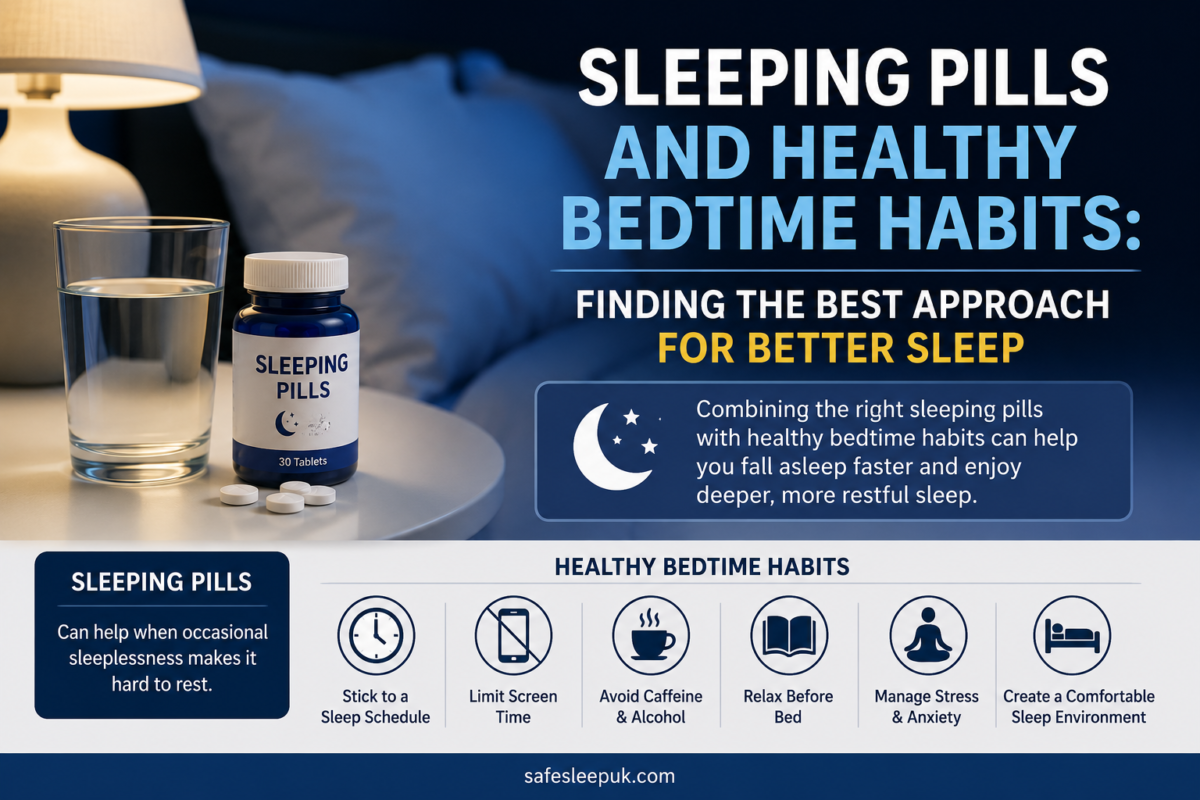
Sleeping Pills and Healthy Bedtime Habits: Finding the Best Approach for Better Sleep
Jul
Many people experience occasional sleepless nights, while others struggle with ongoing sleep problems that affect their health, mood, and daily performance. Although many people search for the best sleeping pills to get quick relief, medication is only one part of improving sleep quality. Healthy lifestyle choices and consistent nighttime habits often play an equally important role.
This guide explores how sleeping tablets, healthy routines, and evidence-based sleep practices can work together to support better rest. Readers will also learn about different treatment options, when medication may be appropriate, and practical ways to build long-term healthy sleep habits.
Why Good Sleep Matters
Quality sleep is essential for physical recovery, mental wellbeing, memory, concentration, and immune function. When sleep becomes disrupted, many people begin searching for insomnia treatment that offers fast and reliable results.
However, addressing poor sleep usually requires understanding its underlying causes rather than focusing only on symptoms. Stress, anxiety, irregular schedules, excessive screen time, caffeine intake, and certain medical conditions can all contribute to sleep difficulties.
Understanding Sleeping Pills
Many individuals look for the best sleeping pills after experiencing several nights of poor sleep. Sleeping medications are designed to help people fall asleep more easily, stay asleep longer, or both.
Different types of sleep medication work in different ways. Some are intended for short-term use under medical supervision, while others are available without a prescription for temporary sleep disturbances.
It’s important to remember that medication should complement healthy sleep practices rather than replace them.
Types of Sleeping Tablets
There are several categories of sleeping tablets available depending on individual needs.
Prescription Sleeping Pills
Prescription sleeping pills are generally recommended for people with significant or persistent insomnia that has not improved through lifestyle changes alone. These medications should always be taken according to professional medical advice because long-term use may increase the risk of dependence, tolerance, or side effects.
Healthcare professionals often evaluate:
- Duration of insomnia
- Medical history
- Current medications
- Underlying health conditions
- Potential medication interactions
Over-the-Counter Sleeping Pills
Some people prefer over-the-counter sleeping pills for occasional sleeplessness. These products are generally intended for short-term use and may contain antihistamines or other ingredients that promote drowsiness.
Although they are easier to obtain, they are not suitable for everyone and should still be used carefully. Reading product instructions and seeking professional advice when necessary remains important.
Sleep Medication Is Not a Complete Solution
Even the best sleeping pills cannot solve every cause of insomnia.
If poor sleep is linked to anxiety, depression, chronic pain, shift work, or poor lifestyle habits, medication alone may offer only temporary relief.
This is why many healthcare providers combine sleep medication with behavioural changes and long-term sleep improvement strategies.
The Importance of Sleep Hygiene
One of the most effective long-term strategies for better sleep is maintaining good sleep hygiene.
Sleep hygiene refers to daily habits and environmental factors that promote consistent, restorative sleep.
These practices may include:
- Going to bed at the same time each night
- Waking up consistently every morning
- Limiting caffeine later in the day
- Reducing alcohol before bedtime
- Keeping the bedroom cool, quiet, and dark
- Avoiding heavy meals before sleep
Good sleep hygiene often improves sleep quality without relying solely on medication.
Building an Effective Bedtime Routine
Creating a relaxing bedtime routine helps signal to the brain that it is time to wind down.
Simple habits performed consistently every evening can reduce stress and prepare the body for restful sleep.
A healthy bedtime routine may include:
- Reading a book
- Taking a warm shower
- Gentle stretching
- Listening to calming music
- Deep breathing exercises
- Meditation
Avoiding stimulating activities before bed is equally important.
Healthy Nighttime Routine for Better Sleep
A consistent nighttime routine supports the body’s natural sleep cycle.
Many sleep experts recommend avoiding:
- Bright screens
- Late-night work
- Intense exercise immediately before bed
- Large amounts of caffeine
- Heavy evening meals
Instead, relaxing activities encourage gradual sleep onset and improve overall sleep quality.
How to Improve Sleep Naturally
Many people prefer methods that improve sleep naturally before considering medication.
Natural strategies often provide sustainable improvements over time while supporting overall wellbeing.
Examples include:
Regular Physical Activity
Moderate exercise during the day helps regulate the body’s internal clock and promotes deeper sleep.
Managing Stress
Stress management techniques such as mindfulness, breathing exercises, yoga, and journaling may reduce racing thoughts at bedtime.
Balanced Nutrition
Eating nutritious meals throughout the day supports healthy energy levels and may contribute to improved sleep patterns.
Limiting Screen Time
Reducing exposure to blue light before bed allows natural melatonin production to increase.
Better Sleep Habits for Long-Term Success
Developing better sleep habits often provides more lasting improvements than relying exclusively on medication.
Helpful habits include:
- Maintaining consistent sleep schedules
- Avoiding naps late in the day
- Using the bedroom only for sleep
- Keeping electronic devices outside the bedroom
- Getting morning sunlight exposure
- Staying physically active
Small daily improvements often produce meaningful long-term results.
Finding Insomnia Relief
Everyone experiences sleep problems differently, so effective insomnia relief varies from person to person.
Some individuals respond well to behavioural changes, while others may temporarily benefit from medication combined with lifestyle improvements.
Professional evaluation becomes important if insomnia:
- Persists for several weeks
- Causes significant daytime fatigue
- Affects work or relationships
- Occurs alongside anxiety or depression
- Develops suddenly without explanation
Sleep Support Beyond Medication
Comprehensive sleep support often involves multiple strategies rather than relying on a single solution.
Support may include:
- Cognitive behavioural therapy for insomnia (CBT-I)
- Stress reduction techniques
- Healthy sleep education
- Medical evaluation
- Lifestyle modifications
- Appropriate medication when necessary
Combining these approaches frequently leads to better long-term outcomes.
Healthy Sleep Tips Everyone Can Follow
These practical healthy sleep tips may help improve nightly rest.
Maintain Consistent Sleep Times
Going to bed and waking up at similar times every day strengthens the body’s natural rhythm.
Keep the Bedroom Comfortable
A cool, quiet, and dark environment supports uninterrupted sleep.
Avoid Stimulants Before Bed
Limiting caffeine and nicotine several hours before bedtime may reduce difficulty falling asleep.
Relax Before Sleeping
Calming activities help prepare both the body and mind for restful sleep.
Stay Active During the Day
Regular movement supports healthier sleep patterns at night.
Seek Professional Advice When Needed
Persistent sleep problems deserve proper medical assessment rather than prolonged self-treatment.
Choosing the Best Sleeping Pills
There is no single option that qualifies as the best sleeping pills for everyone.
The most suitable choice depends on:
- Individual health
- Cause of insomnia
- Existing medical conditions
- Age
- Current medications
- Duration of symptoms
A healthcare professional can help determine whether medication is appropriate and recommend the safest treatment plan.
Conclusion
Searching for the best sleeping pills is common among people struggling with poor sleep, but lasting improvement often requires more than medication alone. Combining appropriate sleep medication, good sleep hygiene, a consistent bedtime routine, and healthier daily habits provides a more comprehensive approach to better sleep.
Whether someone needs temporary insomnia treatment, occasional sleep aids, or wants to improve sleep naturally, focusing on long-term lifestyle changes alongside professional guidance offers the greatest opportunity for healthier, more restorative sleep.
