
Blog
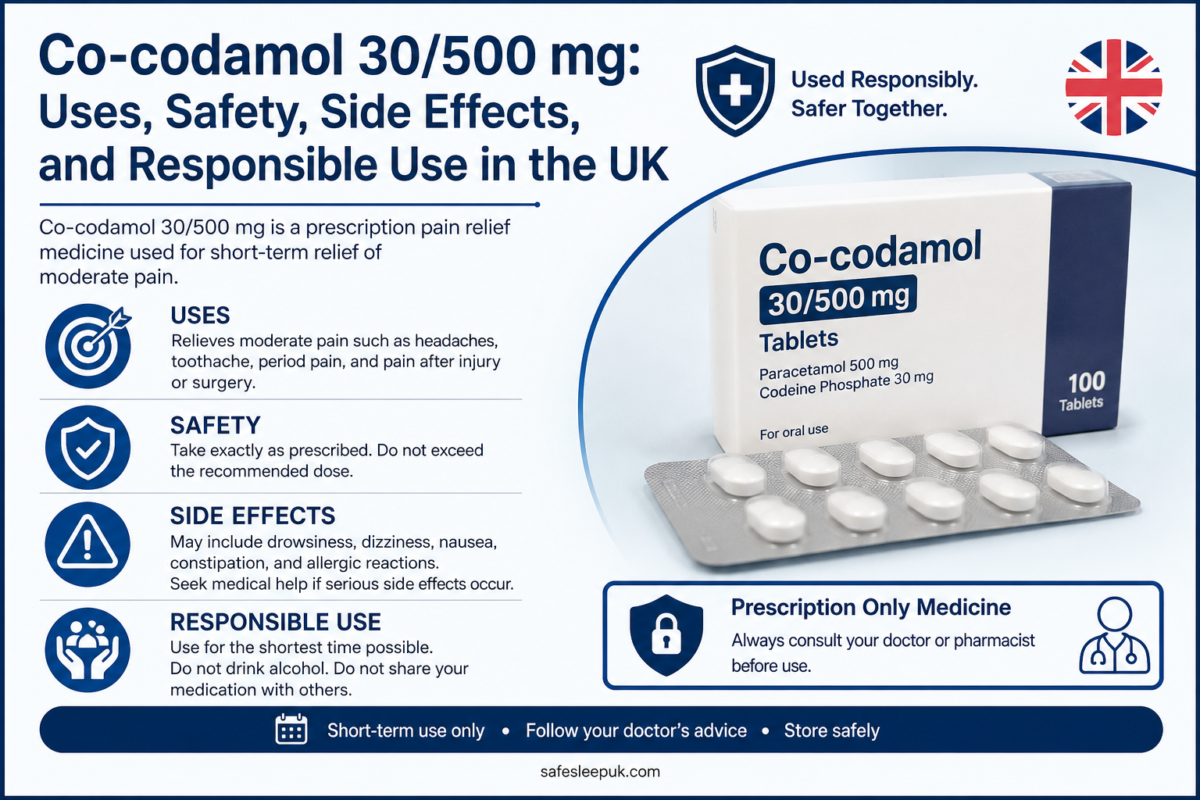
Co-codamol 30/500 mg: Uses, Safety, Side Effects, and Responsible Use in the UK
Jul
Introduction
Managing moderate to severe pain can be challenging, especially when over-the-counter pain relief is not enough. In the UK, healthcare professionals may prescribe Co-codamol 30/500 mg for short-term pain management in appropriate circumstances. This medicine combines two well-known pain-relieving ingredients that work together to help relieve certain types of pain.
However, like all opioid-containing medicines, Co-codamol requires careful use. Understanding how it works, when it may be appropriate, possible side effects, and important safety considerations can help patients use it responsibly under medical supervision.
This guide explains the essentials of Co-codamol 30/500 mg UK, including its uses, how it works, safety advice, and when medical guidance is important.
What Is Co-codamol 30/500 mg?
Co-codamol is a prescription pain medicine that combines two active ingredients:
- Codeine phosphate (30 mg)
- Paracetamol (500 mg)
These ingredients work differently to help reduce pain. Paracetamol is commonly used to relieve pain and reduce fever, while codeine belongs to a class of medicines known as opioid analgesics.
The combination may be prescribed when milder pain medicines have not provided sufficient relief. Because it contains codeine, Co-codamol is intended for short-term use and should only be taken as directed by a healthcare professional.
How Does Co-codamol Work?
The two ingredients complement one another:
Paracetamol
Paracetamol helps relieve pain and lower fever by acting on pain signals within the body. It is widely used for headaches, muscle pain, and other common painful conditions.
Codeine
Codeine works by affecting pain pathways in the brain and nervous system, helping to reduce the perception of pain. Because it is an opioid, codeine also carries risks such as drowsiness, dependence, and other side effects, particularly with prolonged use.
Together, these ingredients can provide stronger pain relief than either ingredient alone for some people when prescribed appropriately.
When Is Co-codamol 30/500 mg Used?
Healthcare professionals may prescribe Co-codamol for certain types of moderate to severe pain, depending on the individual’s condition and medical history.
Examples may include:
- Pain following surgery
- Dental pain
- Certain musculoskeletal injuries
- Back pain
- Joint pain
- Recovery after some medical procedures
- Short-term nerve-related pain (when clinically appropriate)
The suitability of Co-codamol depends on factors such as age, other medical conditions, current medicines, and the nature of the pain.
Who May Be Prescribed Co-codamol?
A healthcare professional will consider several factors before prescribing Co-codamol, including:
- Severity of pain
- Previous response to pain relief
- Medical history
- Liver function
- Kidney function
- Other medicines being taken
- Risk factors for opioid-related side effects
It is not suitable for everyone, and the decision to prescribe it should always be based on an individual clinical assessment.
Important Safety Information
Because Co-codamol contains codeine, it should be used with particular care.
Follow the Prescribed Instructions
Always take the medicine exactly as directed by your healthcare professional or according to the patient information leaflet. Do not increase the dose or take it for longer than recommended without medical advice.
Avoid Taking Extra Paracetamol
Since Co-codamol already contains paracetamol, taking additional products containing paracetamol at the same time could increase the risk of serious liver damage.
Always check the ingredients of any cold, flu, or pain medicines before taking them alongside Co-codamol.
Alcohol and Co-codamol
Alcohol may increase drowsiness and other side effects associated with opioid medicines. It is generally advisable to avoid alcohol while taking Co-codamol unless a healthcare professional advises otherwise.
Driving and Operating Machinery
Some people may experience:
- Drowsiness
- Dizziness
- Reduced concentration
- Slower reaction times
If you feel affected in these ways, do not drive, cycle, or operate machinery.
Possible Side Effects
Like all medicines, Co-codamol can cause side effects, although not everyone experiences them.
Commonly reported side effects may include:
- Constipation
- Nausea
- Vomiting
- Drowsiness
- Dizziness
- Dry mouth
- Headache
These effects are often temporary, but if they become severe or persistent, medical advice should be sought.
Less Common but More Serious Side Effects
Seek urgent medical attention if you experience symptoms such as:
- Difficulty breathing
- Swelling of the face, lips, or throat
- Severe allergic reactions
- Extreme drowsiness or confusion
- Loss of consciousness
These symptoms require prompt medical assessment.
Can Co-codamol Cause Dependence?
One important consideration with codeine-containing medicines is the potential for dependence if used for prolonged periods.
For this reason, healthcare professionals generally prescribe Co-codamol for short-term pain management where appropriate. If your pain continues or you feel you need to keep taking the medicine, it is important to discuss this with your prescriber rather than increasing or extending use on your own.
Who Should Not Take Co-codamol 30/500 mg?
Co-codamol is not suitable for everyone. Before using this medicine, a healthcare professional will consider your medical history, current medications, and overall health.
You should seek medical advice before taking Co-codamol if you:
- Have an allergy to paracetamol, codeine, or any of the ingredients.
- Have severe liver or kidney disease.
- Experience breathing difficulties, such as severe asthma or respiratory depression.
- Have a history of opioid dependence or substance misuse.
- Have recently suffered a head injury or raised pressure inside the skull.
- Are under 12 years of age, as codeine is generally not recommended in this age group.
- Have been advised by a healthcare professional that codeine is unsuitable for you.
Always inform your healthcare provider about any long-term health conditions before starting treatment.
Drug Interactions
Some medicines can interact with Co-codamol and may increase the risk of side effects or reduce its effectiveness.
Tell your healthcare professional if you are taking:
- Other medicines containing paracetamol.
- Opioid pain medicines.
- Sleeping medicines or sedatives.
- Medicines used to treat anxiety.
- Certain antidepressants.
- Antihistamines that cause drowsiness.
- Some medicines for epilepsy.
- Blood-thinning medicines such as warfarin (especially with long-term paracetamol use).
Never start or stop medicines without professional advice.
Pregnancy and Breastfeeding
If you are pregnant, planning a pregnancy, or breastfeeding, speak with your healthcare professional before taking Co-codamol.
Codeine is generally used with caution during pregnancy and is typically avoided during breastfeeding because it may pass into breast milk and could affect the baby. Your healthcare provider can recommend the most appropriate treatment based on your individual circumstances.
How Should Co-codamol Be Taken?
Always follow the instructions provided by your prescriber or those included in the patient information leaflet.
General advice includes:
- Take only the prescribed dose.
- Swallow tablets with water.
- Do not exceed the recommended daily amount.
- Do not continue treatment for longer than advised without medical review.
- Avoid combining Co-codamol with other medicines containing paracetamol.
If your pain is not improving, contact your healthcare professional rather than increasing the dose yourself.
What Should You Do If You Miss a Dose?
If you forget to take a scheduled dose:
- Take it when you remember if it is appropriate to do so.
- If it is nearly time for your next dose, skip the missed dose.
- Never take two doses together to make up for a missed one.
If you are unsure what to do, ask your pharmacist or prescriber for guidance.
What Happens If Too Much Is Taken?
Taking more than the recommended amount of Co-codamol can be dangerous, particularly because of the paracetamol content.
An overdose may not cause symptoms immediately, but serious liver damage can develop later.
If an overdose is suspected, seek emergency medical attention immediately, even if you feel well.
Storage Advice
To help keep your medicine safe:
- Store below the temperature stated on the packaging.
- Keep tablets in their original packaging.
- Protect from moisture and excessive heat.
- Keep out of the sight and reach of children.
- Do not use after the expiry date.
- Dispose of unused medicine through a pharmacy rather than household waste.
Tips for Managing Pain Alongside Medication
Medication is only one part of effective pain management. Depending on the cause of your pain, your healthcare professional may also recommend:
- Gentle stretching exercises.
- Physiotherapy.
- Adequate rest.
- Applying heat or cold packs where appropriate.
- Maintaining good posture.
- Staying hydrated.
- Following a balanced diet.
- Gradually returning to normal activities as advised.
Combining appropriate lifestyle measures with medical treatment may improve recovery for some conditions.
Frequently Asked Questions
Is Co-codamol 30/500 mg a strong painkiller?
Co-codamol 30/500 mg combines paracetamol with codeine and is generally prescribed when milder pain relief has not been sufficient. Because it contains an opioid ingredient, it should be used only under appropriate medical supervision.
Can I drive while taking Co-codamol?
Co-codamol may cause drowsiness, dizziness, or reduced concentration in some people. If you experience these effects, do not drive or operate machinery until you feel fully alert.
Can I take ibuprofen with Co-codamol?
For some people, a healthcare professional may advise taking ibuprofen alongside Co-codamol, but this is not suitable for everyone. Always check with a doctor or pharmacist before combining pain medicines.
Does Co-codamol cause constipation?
Yes. Constipation is a common side effect of codeine-containing medicines. Drinking plenty of fluids, eating fibre-rich foods, and staying active where possible may help. Speak to a healthcare professional if constipation becomes troublesome.
Can Co-codamol become habit-forming?
Because it contains codeine, prolonged use may lead to dependence in some people. This is why Co-codamol is generally intended for short-term use under medical supervision.
Can I drink alcohol while taking Co-codamol?
Alcohol can increase drowsiness and other opioid-related side effects. It is generally recommended to avoid alcohol while taking Co-codamol unless your healthcare professional advises otherwise.
How quickly does Co-codamol work?
The onset and duration of pain relief can vary between individuals based on factors such as metabolism and the type of pain being treated. Follow your healthcare professional’s advice regarding when and how to take your medication.
When should I seek medical advice?
Contact a healthcare professional if your pain persists despite treatment, you experience troublesome side effects, or you have concerns about how to use the medicine safely. Seek emergency medical attention immediately if you develop severe allergic reactions, difficulty breathing, or suspect an overdose.
Conclusion
Co-codamol 30/500 mg can be an effective option for the short-term management of moderate to severe pain when prescribed appropriately. However, because it contains codeine, it should be used carefully and only according to the advice of a qualified healthcare professional.
Using the medicine exactly as directed, avoiding additional paracetamol-containing products, being aware of possible side effects, and seeking medical advice if symptoms persist are all important steps toward safe treatment. If you have questions about whether Co-codamol is suitable for you, speak with your GP or pharmacist for personalised guidance.
