
Blog
Insomnia Symptoms UK: Complete Guide to Signs, Causes and Better Sleep
Jun
Introduction
Do you struggle to fall asleep, wake up repeatedly during the night, or feel exhausted even after spending hours in bed? These may be signs of insomnia. Understanding Insomnia Symptoms UK residents commonly experience is the first step toward improving sleep quality and overall wellbeing.
Insomnia is one of the most common sleep-related concerns affecting adults. While occasional sleep difficulties can happen to anyone, ongoing sleep disruption can impact physical health, mental wellbeing, work performance, and daily activities.
This guide explains the signs of insomnia, common causes, risk factors, and practical ways to improve sleep. Whether you are experiencing temporary sleep problems or long-term sleep difficulties, understanding the symptoms can help you make informed decisions about your health.
What Is Insomnia?
Insomnia is a sleep disorder that makes it difficult to fall asleep, stay asleep, or achieve restorative sleep. It can occur occasionally or become a long-term condition.
Healthcare professionals generally classify insomnia into two categories:
- Short-term insomnia – lasts for days or weeks.
- Chronic insomnia – occurs several times per week for three months or longer.
People with insomnia often experience both nighttime sleep difficulties and daytime symptoms that affect quality of life.
What Are the Most Common Insomnia Symptoms?
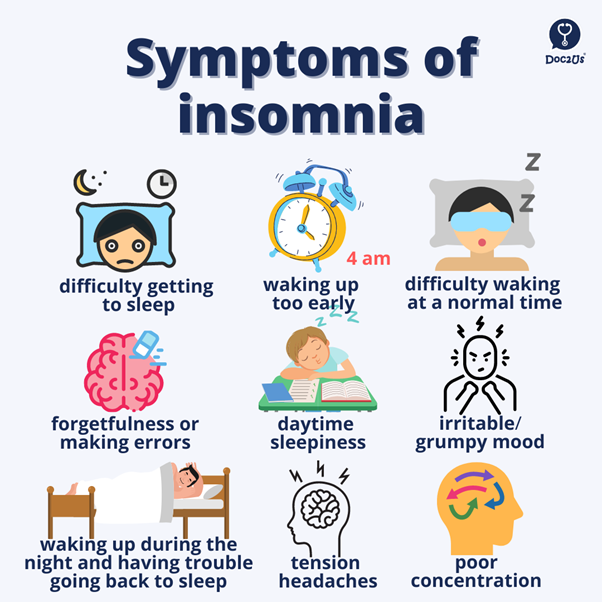
The symptoms can vary from person to person, but several warning signs are commonly reported.
1. Difficulty Falling Asleep
One of the earliest symptoms is lying awake for long periods before finally falling asleep. Even when feeling tired, the mind may remain active, making sleep difficult.
2. Frequent Night-Time Awakenings
Many individuals wake up several times throughout the night and struggle to return to sleep. Interrupted sleep can significantly reduce sleep quality.
3. Waking Up Too Early
Some people wake much earlier than intended and cannot fall back asleep despite feeling tired.
4. Feeling Unrefreshed After Sleep
Even after spending enough time in bed, sleep may not feel restorative. Many individuals report waking up feeling exhausted.
5. Daytime Fatigue
Persistent tiredness during the day is a major indicator of poor sleep quality. Energy levels may remain low despite rest.
6. Difficulty Concentrating
Insomnia can affect memory, focus, decision-making, and productivity. Tasks that normally feel simple may become more challenging.
7. Irritability and Mood Changes
Sleep deprivation often contributes to irritability, frustration, mood swings, and reduced emotional resilience.
8. Reduced Work Performance
Poor sleep can affect attention, reaction times, and workplace productivity, particularly in demanding professional roles.
How Can You Tell If Insomnia Is Becoming Serious?
Occasional sleep disruption is common. However, certain signs may indicate a more persistent issue.
- Sleep problems occurring multiple times per week
- Symptoms lasting longer than three months
- Persistent daytime fatigue
- Difficulty functioning at work or school
- Regular concentration problems
- Mood-related concerns linked to sleep loss
If symptoms continue despite improving sleep habits, professional evaluation may be beneficial.
What Causes Insomnia?
Many factors can contribute to sleep difficulties.
Stress and Anxiety
Work pressures, financial concerns, family responsibilities, and life changes can keep the mind active at night.
Mental Health Challenges
Sleep disturbances often occur alongside anxiety, depression, and other emotional health concerns.
Poor Sleep Habits
Irregular sleep schedules, excessive screen time, and late-night stimulation can disrupt healthy sleep patterns.
Caffeine and Stimulants
Consuming caffeine late in the day may interfere with the body’s natural sleep cycle.
Medical Conditions
Chronic pain, respiratory issues, hormonal changes, and other health conditions may contribute to sleep disruption.
Shift Work
People working rotating shifts or night schedules often experience circadian rhythm disturbances that affect sleep.
Who Is Most at Risk of Insomnia?
While anyone can develop insomnia, certain groups face a higher risk.
- Older adults
- Shift workers
- People experiencing high stress levels
- Individuals with chronic health conditions
- Those with anxiety or depression
- People with irregular sleep schedules
What Are the Effects of Long-Term Sleep Deprivation?
Ignoring ongoing insomnia can affect multiple aspects of health and wellbeing.
Physical Effects
- Reduced energy levels
- Weakened immune function
- Increased daytime tiredness
- Reduced physical performance
Mental Effects
- Poor concentration
- Memory difficulties
- Mood disturbances
- Reduced motivation
Professional Effects
- Lower productivity
- Increased workplace errors
- Reduced decision-making ability
- Difficulty maintaining focus
What Is the Best Way to Improve Sleep Naturally?
Many people can improve sleep quality through practical lifestyle adjustments.
Maintain a Consistent Sleep Schedule
Go to bed and wake up at the same time every day, including weekends.
Create a Sleep-Friendly Environment
Keep the bedroom quiet, dark, and comfortable.
Limit Screen Exposure
Reduce phone, tablet, and television use before bedtime.
Reduce Evening Caffeine Intake
Avoid caffeine-containing drinks late in the day.
Stay Physically Active
Regular exercise can support healthier sleep patterns when performed consistently.
Practice Relaxation Techniques
Deep breathing, mindfulness, and meditation may help reduce bedtime stress.
When Should You Seek Professional Help?
Consider speaking with a healthcare professional if:
- Sleep problems persist for several weeks
- Daytime functioning is significantly affected
- You regularly feel exhausted despite attempting lifestyle changes
- Sleep difficulties are impacting your mental wellbeing
Professional assessment can help identify underlying causes and appropriate treatment options.
How Safesleepuk Supports Sleep Education
At Safesleepuk, the focus is on helping individuals understand sleep health through educational resources and practical guidance. Learning about sleep disorders, healthy sleep habits, and common causes of insomnia can help people make informed choices regarding their wellbeing.
Many individuals exploring sleep-related information turn to Safesleepuk to better understand the factors affecting sleep quality and daily performance.
Frequently Asked Questions
What are the first signs of insomnia?
The earliest signs often include difficulty falling asleep, waking during the night, feeling tired after sleep, and experiencing reduced concentration during the day. These symptoms may start gradually and become more noticeable over time.
How long does insomnia usually last?
Short-term insomnia can last a few days or weeks. Chronic insomnia generally continues for at least three months and occurs multiple times each week. Duration often depends on the underlying cause.
Can stress cause insomnia symptoms?
Yes. Stress is one of the most common causes of sleep disruption. Worry, anxiety, and emotional pressure can make it difficult to relax and fall asleep at night.
What is the difference between poor sleep and insomnia?
Poor sleep can occur occasionally due to temporary factors. Insomnia involves recurring sleep difficulties that affect daily functioning and continue over a longer period.
Can insomnia affect concentration and memory?
Yes. Lack of quality sleep can reduce attention span, memory performance, learning ability, and decision-making skills during daily activities.
Do insomnia symptoms get worse with age?
Sleep patterns naturally change with age. Older adults may experience more frequent awakenings and lighter sleep, which can increase the likelihood of insomnia symptoms.
What lifestyle changes can help improve sleep?
Maintaining a regular sleep schedule, reducing caffeine intake, limiting screen time before bed, exercising regularly, and managing stress can support healthier sleep habits.
When should I speak to a healthcare professional about insomnia?
If sleep difficulties continue for several weeks, affect daily life, or cause significant fatigue and concentration problems, seeking professional advice is recommended.
Conclusion
Recognising insomnia symptoms early can help prevent long-term sleep difficulties. Common warning signs include difficulty falling asleep, waking frequently during the night, early morning awakenings, fatigue, poor concentration, and mood changes.
Improving sleep habits, managing stress, and seeking professional guidance when necessary can support better sleep and overall wellbeing. Understanding the causes and symptoms of insomnia allows individuals to take practical steps toward healthier and more restorative sleep.
SafesleepUK believes that education and awareness remain essential components of achieving better sleep health and maintaining long-term wellbeing.
