
Blog
Sleep Deprivation Symptoms UK: Signs, Causes, Risks and Recovery Tips
Jun
Sleep is one of the most important foundations of physical and mental wellbeing. Yet millions of people across the UK struggle to get enough quality rest every night. Busy schedules, stress, shift work, digital devices, and lifestyle habits often contribute to insufficient sleep.
If you regularly wake up feeling tired, struggle to concentrate, or experience mood changes, you may be experiencing Sleep Deprivation Symptoms UK health professionals commonly identify. Understanding these warning signs can help you take action before sleep loss begins affecting your overall health.
In this guide, we explain the symptoms, causes, health risks, and practical solutions for sleep deprivation while answering the most common questions people ask online.
What Is Sleep Deprivation?
Sleep deprivation occurs when a person consistently gets less sleep than their body needs. While individual sleep requirements vary, most adults require between 7 and 9 hours of quality sleep per night.
Sleep deprivation can be:
- Acute (short-term sleep loss)
- Chronic (ongoing insufficient sleep)
- Partial (reduced sleep over multiple nights)
- Total (going without sleep completely)
Even mild sleep deprivation can negatively affect cognitive performance, productivity, mood, and physical health.
What Are the Most Common Sleep Deprivation Symptoms UK Residents Experience?
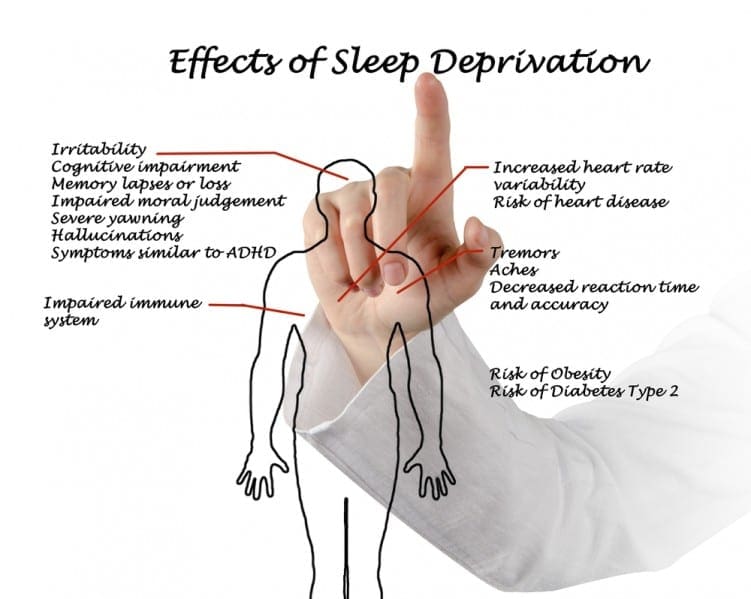
The signs of sleep deprivation can appear gradually, making them easy to overlook. Many people assume feeling tired is normal when it may actually indicate a lack of restorative sleep.
1. Persistent Daytime Fatigue
One of the most noticeable symptoms is ongoing tiredness throughout the day. Even after waking up, you may feel unrefreshed and struggle to maintain energy levels.
2. Difficulty Concentrating
Sleep loss affects attention, memory, and decision-making abilities. Tasks that normally feel simple may become challenging and time-consuming.
3. Mood Changes
People experiencing inadequate sleep often report:
- Irritability
- Frustration
- Anxiety
- Low motivation
- Mood swings
Sleep and emotional regulation are closely connected.
4. Reduced Productivity
Whether at work or home, sleep deprivation can reduce efficiency and increase mistakes. Professionals often notice a decline in performance after several nights of poor sleep.
5. Frequent Forgetfulness
Sleep plays a key role in memory consolidation. Insufficient sleep can make it harder to retain information and recall details.
6. Increased Appetite
Poor sleep can disrupt hormones that regulate hunger and fullness. This may lead to stronger cravings for sugary and high-calorie foods.
7. Headaches
Many people experience headaches or migraines after prolonged periods of inadequate sleep.
8. Weakened Immune Function
If you seem to catch colds frequently or take longer to recover from illness, sleep deprivation may be contributing to reduced immune performance.
Why Is Sleep Deprivation Becoming More Common in the UK?
Several lifestyle and environmental factors contribute to increasing sleep problems across the UK.
Work-Related Stress
Long working hours, deadlines, and workplace pressure can make it difficult to relax before bedtime.
Excessive Screen Time
Smartphones, tablets, and laptops emit blue light that can interfere with natural sleep-wake cycles.
Shift Work
Healthcare professionals, emergency workers, transport employees, and many others often work irregular schedules that disrupt sleep patterns.
Mental Health Challenges
Stress, anxiety, and depression can significantly affect sleep quality and duration.
Poor Sleep Hygiene
Inconsistent bedtimes, caffeine consumption late in the day, and stimulating evening activities can all contribute to sleep deprivation.
How Does Sleep Deprivation Affect Physical Health?
Sleep is essential for nearly every system in the body. Long-term sleep deprivation may increase the risk of several health concerns.
- High blood pressure
- Weight gain
- Heart disease
- Type 2 diabetes
- Reduced immune function
- Hormonal imbalances
- Chronic inflammation
Research consistently shows that adequate sleep supports cardiovascular health, metabolic regulation, and overall wellbeing.
How Does Sleep Loss Affect Mental Health?
The relationship between sleep and mental health is bidirectional. Poor sleep can worsen mental wellbeing, while mental health challenges can contribute to sleep difficulties.
Common effects include:
- Increased anxiety
- Lower stress tolerance
- Reduced emotional resilience
- Poor concentration
- Decreased motivation
- Lower overall quality of life
Addressing sleep issues often supports broader mental wellbeing goals.
What Causes Sleep Deprivation?
Understanding the underlying cause is an important step toward finding an effective solution.
Common Causes Include:
- Insomnia
- Sleep apnea
- Stress and anxiety
- Shift work schedules
- Travel and jet lag
- Excess caffeine intake
- Electronic device use before bed
- Chronic pain conditions
- Medical conditions affecting sleep
How Can You Tell If Sleep Deprivation Is Becoming Serious?
Occasional tiredness is common, but certain warning signs may indicate a more significant problem.
Consider seeking professional advice if you experience:
- Persistent daytime sleepiness
- Difficulty staying awake while driving
- Chronic insomnia
- Loud snoring and breathing interruptions
- Declining work performance
- Memory problems affecting daily life
- Ongoing mood disturbances
What Is the Best Way to Recover From Sleep Deprivation?
Recovery depends on the severity and duration of sleep loss. While one good night’s sleep may help after mild deprivation, chronic sleep debt often requires consistent changes over time.
1. Maintain a Consistent Sleep Schedule
Going to bed and waking up at the same time each day helps regulate your internal body clock.
2. Create a Sleep-Friendly Environment
Your bedroom should be:
- Cool
- Quiet
- Dark
- Comfortable
3. Limit Screen Exposure Before Bed
Try reducing screen use at least one hour before bedtime.
4. Reduce Evening Stimulants
Caffeine, nicotine, and energy drinks can interfere with the ability to fall asleep.
5. Exercise Regularly
Physical activity can improve sleep quality, though intense exercise immediately before bed may not be ideal.
6. Manage Stress Effectively
Relaxation techniques, mindfulness, reading, and breathing exercises may help prepare the mind for sleep.
Can Sleep Aids Help With Sleep Problems?
Some individuals may explore sleep aids under appropriate guidance when lifestyle improvements alone are not enough. However, sleep medications should be used responsibly and according to professional recommendations.
Many educational resources provided by Safesleepuk focus on understanding sleep challenges and encouraging informed decision-making regarding sleep health.
The best long-term strategy typically combines healthy sleep habits, proper medical assessment where necessary, and addressing underlying causes.
How Can Professionals and Business Owners Improve Sleep?
Professionals often face unique challenges due to demanding schedules and workload pressures.
Helpful strategies include:
- Setting clear work-life boundaries.
- Avoiding late-night work sessions.
- Scheduling regular breaks during the day.
- Managing workplace stress proactively.
- Creating consistent evening routines.
Improved sleep can support productivity, decision-making, creativity, and workplace performance.
What Are the Long-Term Risks of Ignoring Sleep Deprivation?
Chronic sleep deprivation should never be ignored. Over time, ongoing sleep loss may contribute to:
- Cardiovascular problems
- Metabolic disorders
- Mental health challenges
- Reduced workplace performance
- Lower quality of life
- Increased accident risk
- Weakened immune response
Early intervention often leads to better outcomes and improved overall wellbeing.
Frequently Asked Questions
What are the first signs of sleep deprivation?
The earliest signs typically include daytime tiredness, difficulty concentrating, irritability, reduced alertness, and lower energy levels. These symptoms may appear after only one or two nights of inadequate sleep.
How many hours of sleep do adults need?
Most adults require between seven and nine hours of quality sleep each night. Individual needs may vary depending on age, lifestyle, and overall health status.
Can sleep deprivation affect mental health?
Yes. Insufficient sleep can contribute to anxiety, mood changes, irritability, poor concentration, and increased emotional sensitivity. Improving sleep quality often supports better mental wellbeing.
What causes chronic sleep deprivation?
Common causes include insomnia, stress, sleep disorders, shift work, excessive screen use, poor sleep habits, medical conditions, and lifestyle factors that interfere with consistent rest.
How long does it take to recover from sleep deprivation?
Recovery varies depending on the severity of sleep loss. Mild sleep deprivation may improve after several nights of good sleep, while chronic sleep debt can take weeks to address.
Can poor sleep affect work performance?
Yes. Sleep deprivation can reduce concentration, memory, decision-making ability, productivity, and reaction times, making workplace tasks more difficult and increasing the likelihood of errors.
When should I seek help for sleep problems?
You should consider professional advice if sleep difficulties persist for several weeks, significantly affect daily functioning, or are accompanied by symptoms such as loud snoring or excessive daytime sleepiness.
Are sleep deprivation symptoms common in the UK?
Yes. Many UK adults experience occasional or chronic sleep difficulties due to work pressures, stress, lifestyle habits, and underlying sleep disorders.
Conclusion
Recognising sleep deprivation symptoms UK residents commonly experience is the first step toward improving sleep health. Persistent fatigue, poor concentration, mood changes, and reduced productivity should not be ignored.
By understanding the causes of sleep deprivation and adopting healthier sleep habits, individuals can support both physical and mental wellbeing. Resources from Safesleepuk can help people learn more about sleep-related concerns and make informed decisions about improving sleep quality.
Quality sleep is not a luxury—it is a fundamental part of long-term health, performance, and overall quality of life.
